
When a Simple Piano Tuning Turns Into an Emergency
Piano tuning in Westchester often starts as a simple plan: get the piano ready, keep it sounding good, and move on with your day. Then a tuner sits down, plays a few notes, and suddenly that routine visit turns into a serious repair conversation. Keys stick, notes buzz, and the instrument you depend on for lessons or an upcoming recital is not ready at all.
This happens more often than many families, teachers, and churches expect. There is a real difference between normal tuning work and urgent repair. Tuning adjusts the pitch of the strings. Emergency work deals with deeper problems like:
- Keys that stick, double-strike, or do not come back up
- Notes that buzz, rattle, or refuse to sound
- Pitch that drops quickly, even right after service
In Westchester, this surprise often shows up in late spring. Windows open, humidity jumps, and pianos that sat quietly all winter suddenly get a lot of play again. Graduation parties, school concerts, and June recitals put pressure on instruments that might already be struggling. When that happens, you need more than someone to tighten a few strings. You need a local, full-service piano shop that can respond quickly and handle whatever your instrument throws at it.
Subtle Warning Signs Your Piano Needs More Than Tuning
Most pianos do not go from fine to broken overnight. They almost always send small signals first. If you know what to listen and feel for, you can catch problems before they turn into emergencies.
Things you might hear:
- Notes that sound wobbly, metallic, or distorted, even if the piano was tuned recently
- A small group of keys that are always out of tune while the rest of the keyboard sounds okay
- Sudden changes in volume when you hit certain notes, plus buzzing or rattling sounds
Things you might feel:
- Keys that are heavier or lighter than usual, or that feel soft and "spongy"
- Keys that hesitate before sounding, stick halfway down, or return slowly
- Pedals that squeak, feel loose, or seem to do almost nothing to the sound
These signs often point to problems inside the piano, not just tuning. Issues can include:
- Worn or broken action parts that need regulation or replacement
- Loose tuning pins that do not hold pitch
- Soundboard or bridge concerns that affect tone and stability
If these early warnings are ignored, small issues can grow. A minor key problem can spread across sections of the keyboard. Light wear on hammers can turn into deep grooves and harsh sound. In time, what could have been a quick repair visit might require major restoration work.
When Piano Tuning in Westchester Becomes Urgent Repair
Our local weather plays a big role in how pianos behave. In this area, rapid swings between cool, damp days and hot, muggy ones can be hard on wood and felt. That constant change pushes parts to swell, shrink, and shift, which affects tuning stability and the action.
Common triggers around Westchester include:
- Humidity jumps between rainy spring days and sticky early summer weeks
- Moving pianos for house cleaning, floor refinishing, or room changes
- Older instruments in long-loved homes finally showing age after dry indoor heat all winter
There are also red flags that mean you should stop playing and get help:
- Several notes suddenly go dead or stay ringing after you release the keys
- The piano will not stay in tune longer than a few days, even after service
- You notice cracked keys, missing ivories, broken strings, or any signs of pests inside
At that point, the problem is bigger than tuning. A trained technician will look at whether the main cause is structural, mechanical, or environmental. That can include checking:
- Soundboard and bridges for cracks or separation
- The pinblock and tuning pins for looseness
- Action parts like hammers, shanks, and dampers for wear or damage
Pushing a piano that is already in trouble can make things worse. Playing hard on weak strings or a stressed structure can lead to string breakage, further internal damage, and an unsafe experience for students or performers.
How a Full-Service Shop Solves Problems Fast
Not every piano service provider offers the same depth of support. Some focus only on tuning, and do not handle larger repairs, rebuilding, or moving. That can leave you searching for more help right when time matters most.
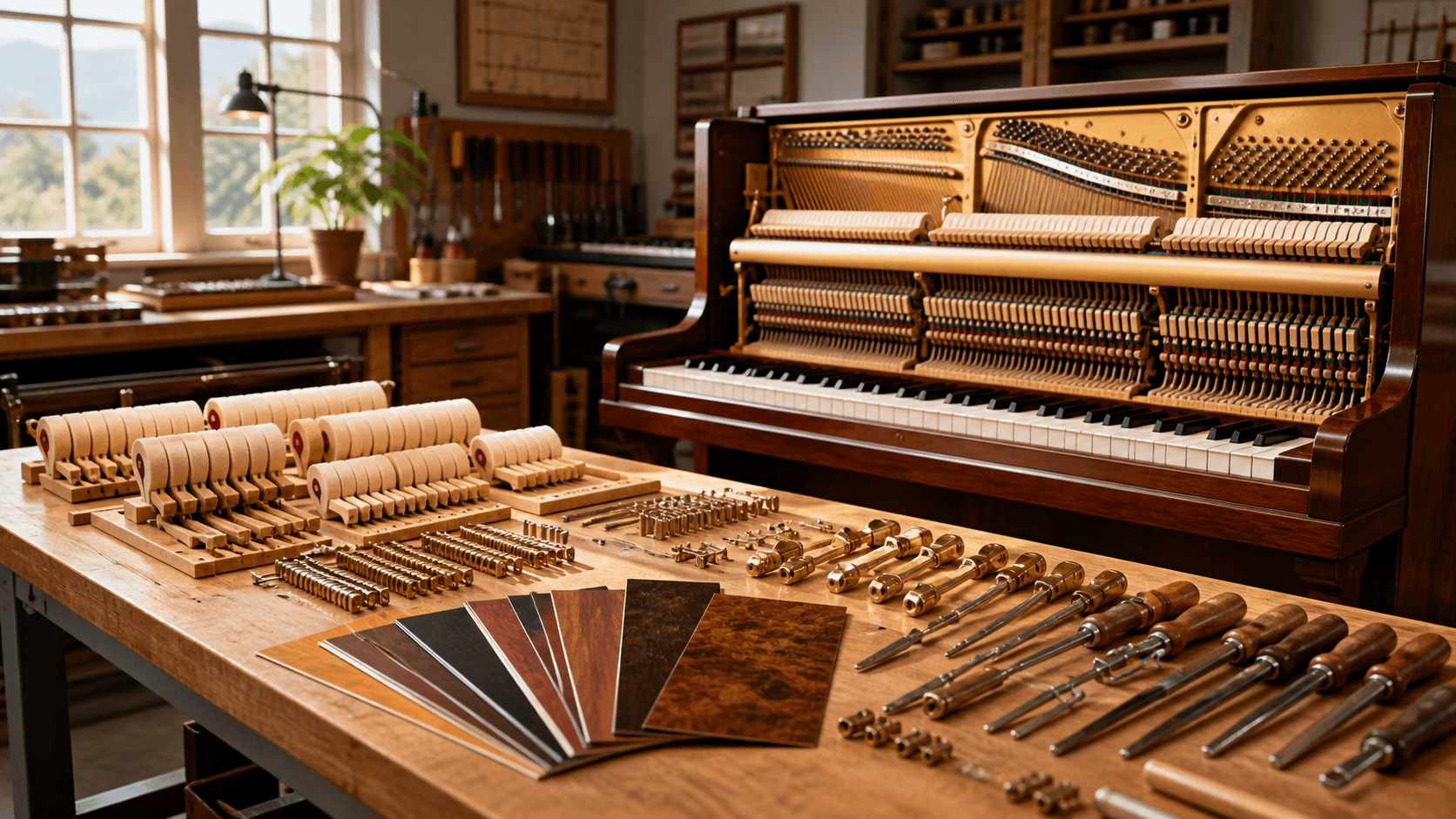
A full-service shop can handle:
- Regular tuning and seasonal care
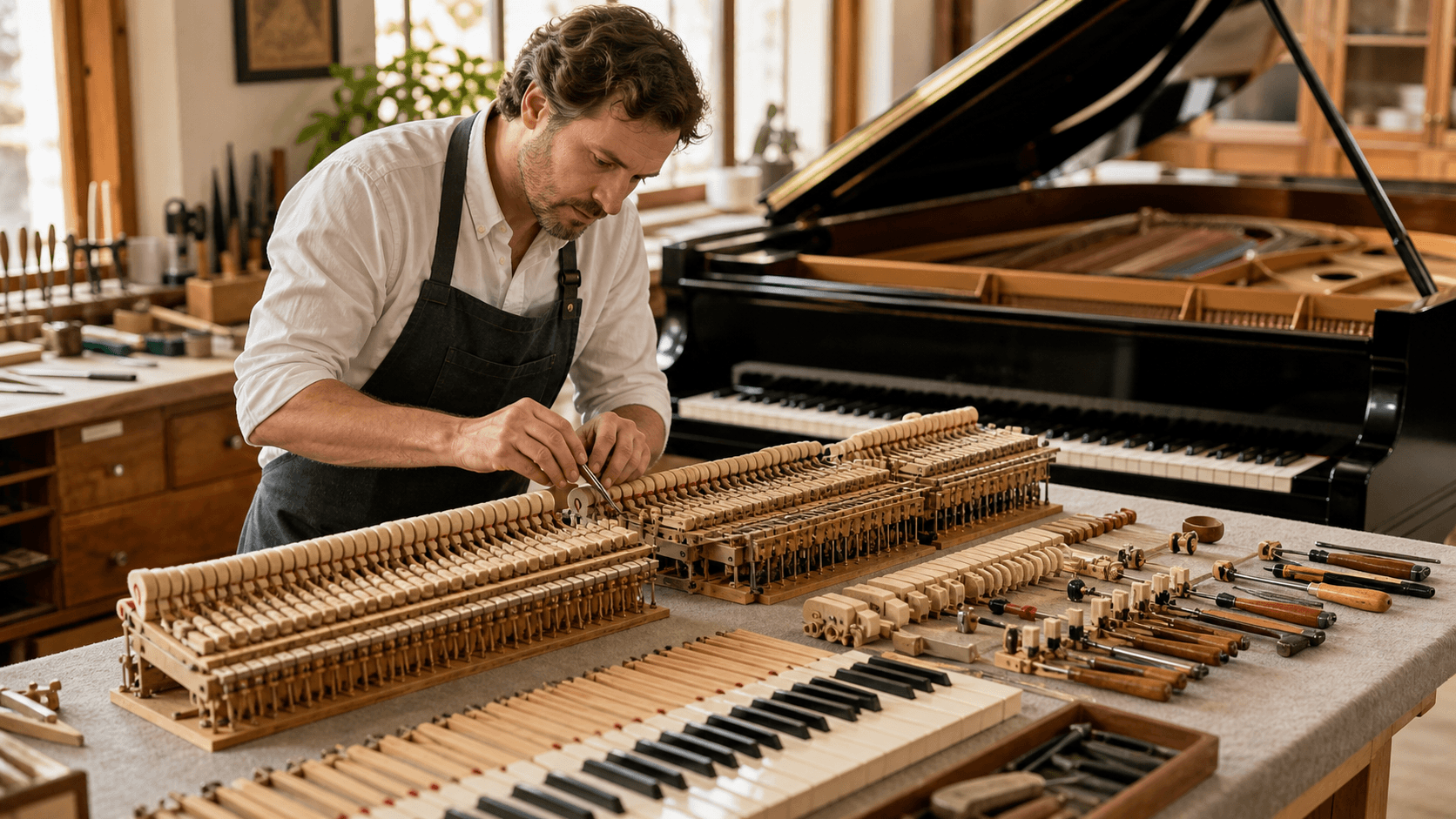
- Mechanical repairs and action work
- Refinishing and larger rebuilding projects
- Professional piano moving between rooms, homes, or to and from the shop
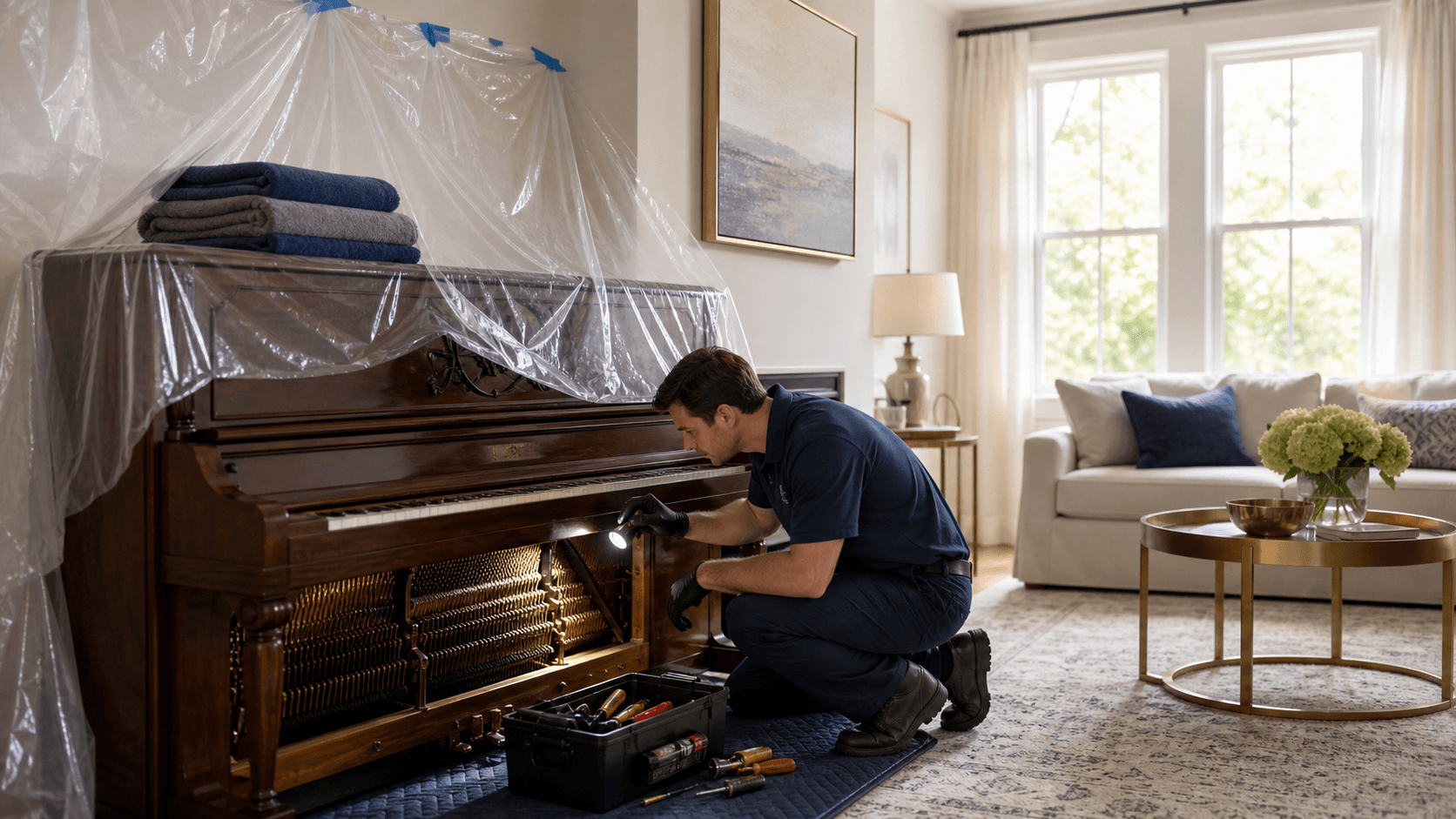
When a normal piano tuning in Westchester suddenly reveals deeper issues, it helps to have one team that can do both on-site and in-shop work. During a regular home visit, many smaller problems can be handled, such as:
- Sticking keys and basic action adjustments
- A few broken strings
- Simple pedal problems and minor regulation
If the problems are larger, the piano or its action may need to come into the shop. That is often the case for:
- Extensive action repairs or replacement parts
- Structural concerns with the soundboard or bridges
- Full or partial rebuilding work
Safe, professional moving is key here. Pianos are heavy, delicate, and easy to damage when moved by people without the right tools or experience. A shop that handles both moving and repair can plan the whole process and protect the instrument at every step.
When time is short before a recital, party, wedding, or school concert, technicians will usually:
- Address the most urgent playing issues first
- Plan follow-up work for after the event if needed
- Schedule a return visit to fine-tune once the piano has settled again
Protecting Your Piano Before Peak Summer Humidity
One of the best ways to avoid a last-minute crisis is to plan ahead as seasons change. Late spring is often a smart time in Westchester to have a technician look over your piano before the full heat and humidity of summer arrive.
Seasonal care can help you:
- Catch new problems before they affect an upcoming event
- Keep the piano stable as the weather shifts
- Spread out any needed repair work instead of facing everything at once
Environmental control is also very helpful. Pianos are most comfortable in stable humidity, usually in the middle range, not too dry and not too damp. In this area, humidity can swing fast, so tools like room dehumidifiers, whole-house systems, or piano-specific humidity control setups can make a big difference.
Placement matters too. It is best to keep the piano:
- Away from open windows and direct sun
- Away from heating and AC vents
- Away from exterior doors where drafts and outdoor air hit hardest
For long-term care, it helps to set a realistic tuning and service schedule based on how you use the piano. A well-loved family instrument used for daily practice has different needs than a lightly played living room showpiece. Building a steady relationship with a technician means:
- They can track changes over time
- Small issues are caught early
- You can plan for any future rebuilding or refinishing instead of being surprised
Schedule Peace of Mind Before Your Next Performance
Instead of waiting until the week before an important recital or event, it is much safer to plan piano service ahead of time. Homeowners, teachers, churches, and schools across Westchester benefit from a pre-event checkup. A visit well before the date gives room to tune, repair, and test the piano so there are no surprises on the big day.
At Ford Piano in Yorktown Heights, we see every service request as a chance to protect both your instrument and your peace of mind. When you get in touch, it helps to share what you have noticed, when the piano was last tuned or moved, and whether any performances are coming up. Our team can then decide whether your piano needs standard tuning, urgent repair, or a deeper in-shop evaluation, and guide you through the next steps with clear expectations.
Bring Out the Best Sound in Your Piano Today
If your piano is starting to sound a bit dull or uneven, our expert piano tuning in Westchester can restore its rich, clear tone. At Ford Piano, we carefully adjust every detail so your instrument responds beautifully for practice, teaching, or performance. We are happy to discuss your piano's needs and recommend the right service schedule. To schedule an appointment or ask a question, simply contact us today.