Why Rebuilding Your Piano Is Smarter Than Replacing It
A piano is more than wood, strings, and keys. It holds memories of first lessons, late-night practice, and family sing-alongs. For many New York owners, that instrument feels like part of the home or school, not just another object to swap out.
Professional piano rebuilding lets you keep that emotional connection while giving the instrument a fresh life. A careful rebuild can add decades of reliable playing, and it does this while preserving the unique tone and character you already love. For higher-end grands and well-built older pianos, rebuilding often makes more sense than replacing, both musically and financially.
Larger projects like rebuilding need time, planning, and open space. Summer often gives New York homeowners, schools, and studios a little more flexibility. There are fewer lessons, fewer recitals, and better moving conditions, so it can be a smart season to have your piano picked up, rebuilt, and delivered back ready for fall.
What Piano Rebuilding Really Means for Your Instrument
People often use words like tuning, repair, restoration, and rebuilding as if they are the same. They are not. Knowing the difference helps you understand what your piano really needs.
Here is a simple breakdown:
- Tuning adjusts string tension so notes are in tune.
- Repair fixes specific issues, like a broken key or pedal.
- Restoration freshens up larger parts, inside or outside, but may not replace everything.
- Full rebuilding is a complete structural and mechanical overhaul.
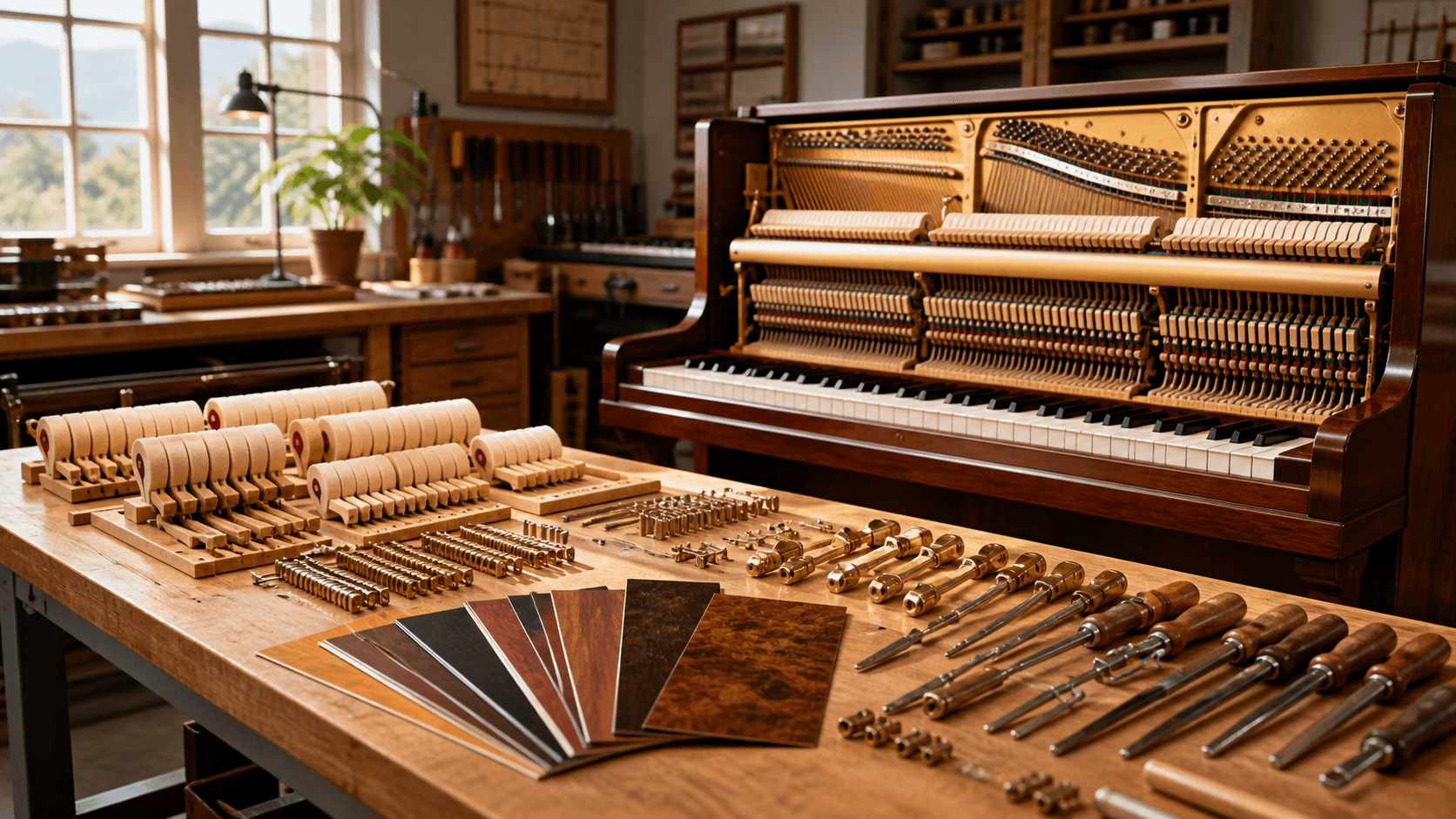
A quality rebuild usually looks at every major part of the instrument, including:
- Soundboard and bridges, the heart of the piano's tone.
- Strings and tuning pins, for tuning stability and clear sound.
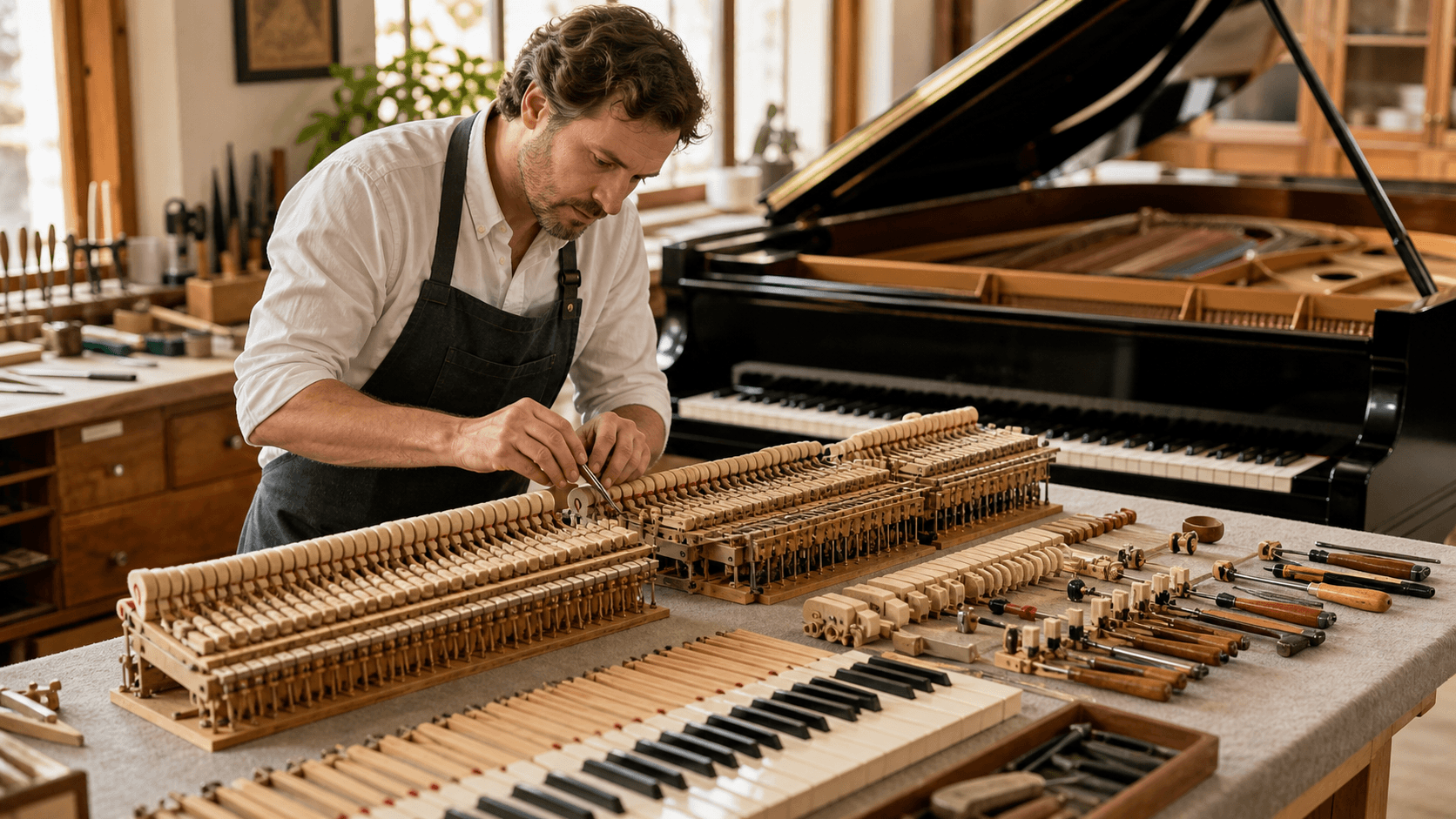
- Action parts, keys, and hammers, which control how the piano feels to play.
- The finish and cabinet, so the piano looks as good as it sounds.
When all these areas are addressed together, the result is a piano that plays like new or better while still keeping its original cabinet and musical personality. You keep the soul of the instrument, but the tired and worn parts are renewed.
The Hidden Value Professional Rebuilding Unlocks
On the surface, rebuilding might seem like a big project. But when you compare it to buying a new piano of similar quality, the long-term value often becomes clear, especially with larger grands or strong older uprights.
Some of the benefits of professional rebuilding include:
- Long-term savings compared to replacing a quality instrument.
- A more consistent touch that helps developing students and serious players grow.
- Better tuning stability when strings, pins, and structural parts are refreshed.
- Fewer surprise problems during lessons, rehearsals, and performances.
For New York teaching studios, churches, schools, and committed players, these improvements show up every single day in practice. The keys respond evenly, the tone is full and clear, and the piano holds its tuning more reliably between service visits.
A well-rebuilt piano can also hold its value better than an aging, unrestored one. Instead of slowly turning into a pretty piece of furniture that no one wants to play, it becomes a long-term musical asset that students, performers, and future owners can enjoy.
Why New York Pianos Need Expert Local Care
New York is a special place for pianos. We have hot, humid summers and dry, heated winters. Apartments, brownstones, and suburban homes across areas like NYC, Westchester, and the Hudson Valley can all put different kinds of stress on a piano over time.
Humidity swings and building conditions can affect:
- Tuning stability, as wood and felt expand and contract.
- Soundboards and bridges, which can develop cracks or lose crown.
- Action parts, which can become sluggish or noisy.
- The finish, which can fade, scratch, or peel.
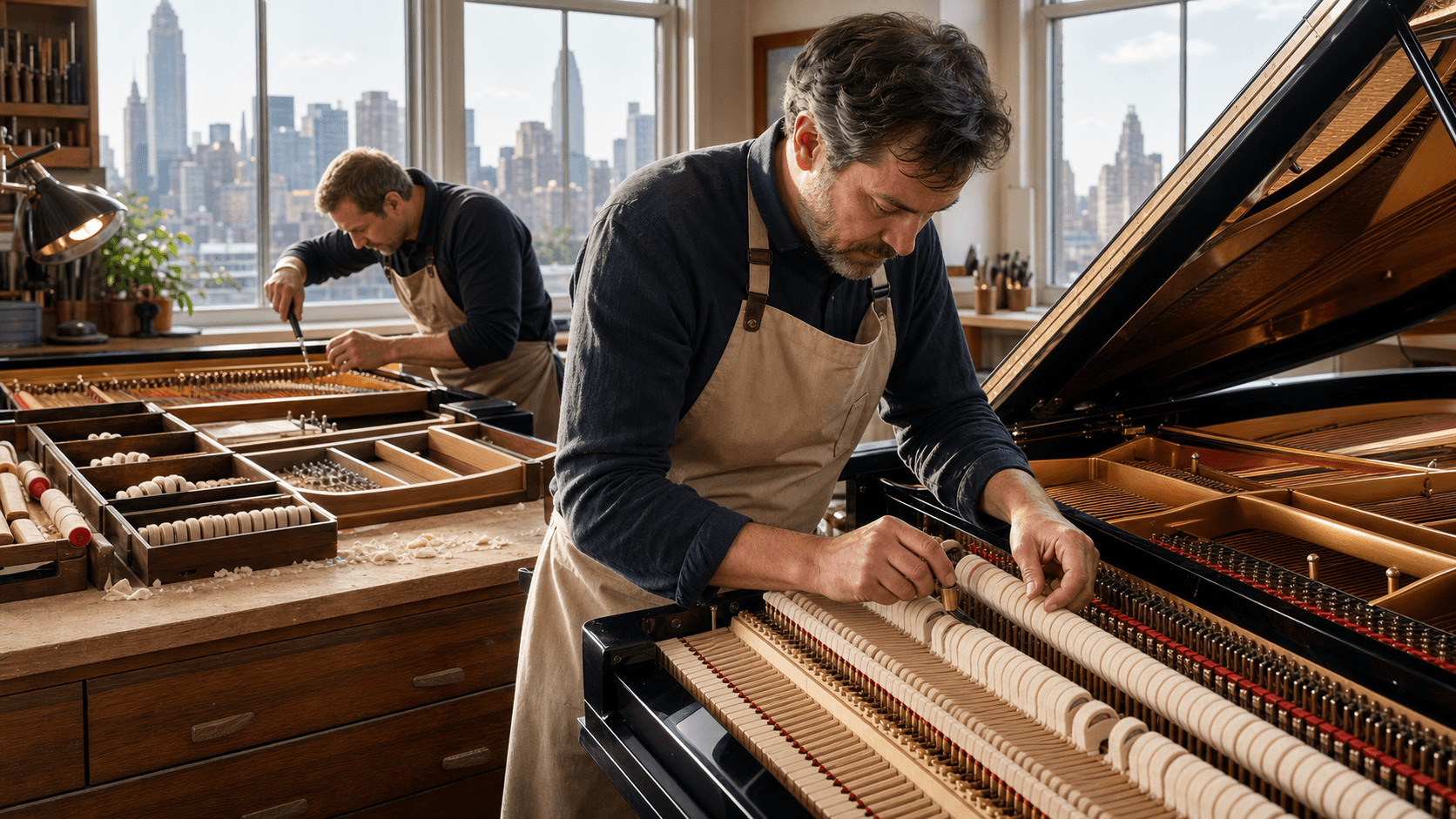
Because of this, New York instruments really benefit from expert local care. When rebuilding work is done in-house instead of being shipped off to unknown third parties, you know who is actually touching your piano. The team that evaluates your instrument is connected to the same group that rebuilds, refines, and prepares it for delivery.
A local, family-run shop understands practical issues many New York owners face, such as stairways, elevators, narrow hallways, and busy city streets. That experience matters when a piano needs to be moved safely for major work and then brought back into its home without damage.
Ford Piano's Rebuilding Process From Pickup to Encore
At Ford Piano in Yorktown Heights, we focus on guiding owners through the rebuilding process step by step so it feels clear and comfortable, not confusing. While every piano is unique, the flow usually looks like this:
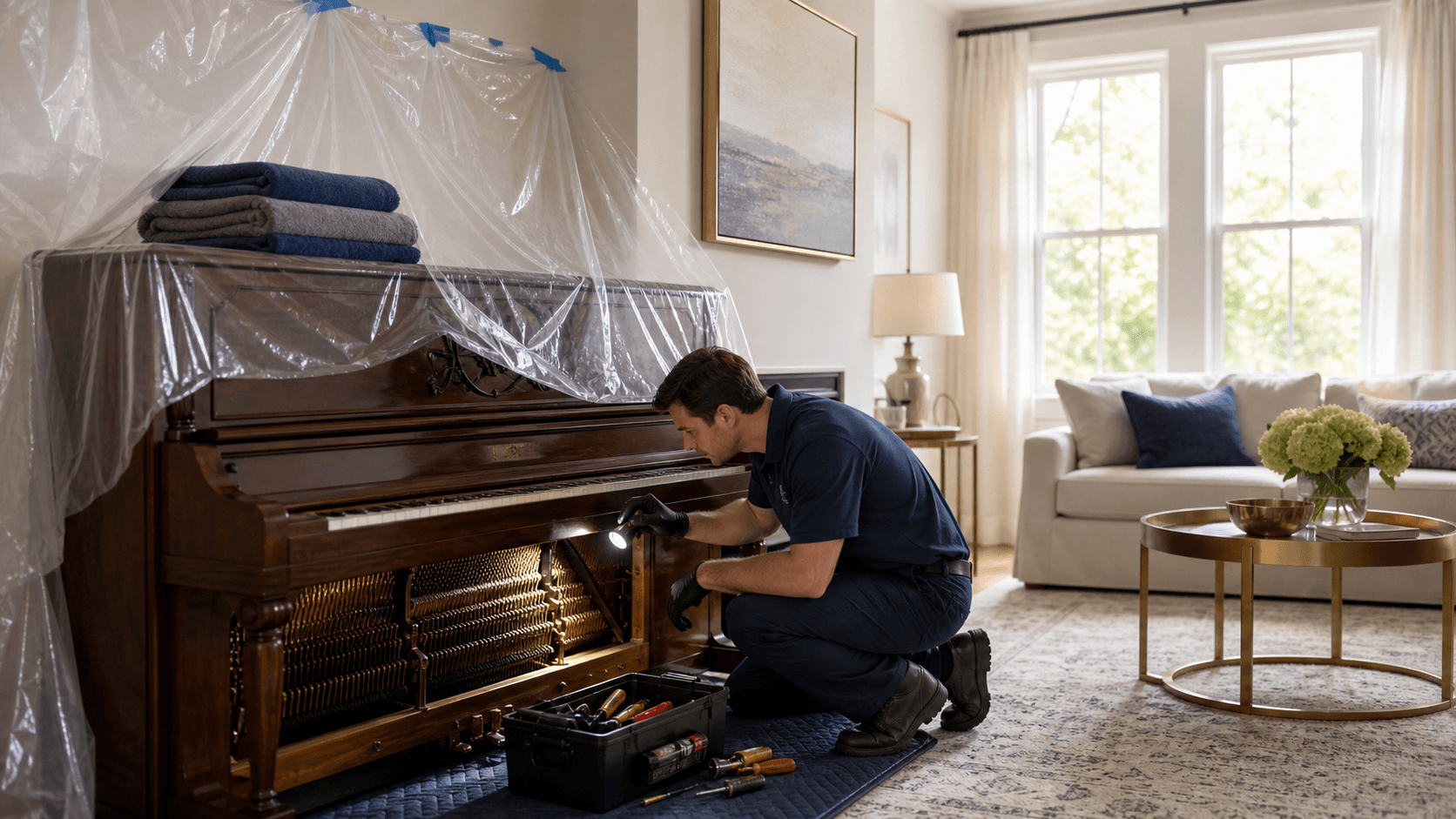
- Evaluation, where we inspect the structure, action, strings, and finish.
- A detailed estimate, so you understand what is recommended and why.
- Careful pickup by professional movers who know how to handle pianos.
- Disassembly and inspection in our shop, confirming the work plan.
- Rebuilding and refinishing by our in-house technicians and craftsmen.
- Regulation, voicing, and final tuning to match your playing needs.
- Delivery and setup, with final touch-ups in the room where the piano will live.
Having rebuilding, refinishing, and technical regulation under one roof keeps the process coordinated. The same people who replace strings and action parts also listen to how the piano responds and shape the tone through voicing. This helps your rebuilt piano feel like one complete instrument, not a mix of separate repairs.
For New York owners who move or for institutions that have pianos in different locations, professional moving support across the country makes it possible to rebuild a piano without being limited to one neighborhood. The goal is always the same: a smooth path from pickup to that first encore-worthy chord on your renewed instrument.
How to Know When Your Piano Is Ready for Rebuilding
Not every piano needs a full rebuild right away. Some only need repairs or partial work. Still, there are clear signs that an instrument might be a good candidate for a deeper project.
Watch for:
- Tuning that will not hold, even after regular service.
- Worn hammers that look grooved, flat, or very hard.
- Sluggish, uneven keys or noisy action parts.
- Cracks in the soundboard or visible bridge problems.
- Severe cosmetic wear that affects how you feel about playing it.
Sometimes a focused repair or partial restoration is the better choice, especially for entry-level instruments or pianos that are not played often. Other times, when the piano has strong bones and meaningful value, a full rebuild offers more long-term benefit.
Seasonal planning can help. Many New York owners like to have evaluations done in late spring. That way, more involved rebuilding work can be scheduled over the summer when schedules are more open and large moves are easier. The piano can then return ready for fall lessons, school music programs, and the next wave of performances.
Get Started With Your Project Today
If you are ready to breathe new life into your instrument, our expert piano rebuilding team at Ford Piano is here to help. We will carefully assess your piano, explain your options in clear terms, and recommend the best path to restore its tone, touch, and appearance. To discuss your goals, timeline, and budget, simply contact us and we will follow up with a personalized plan for your piano.