When Your Piano Needs More Than a Simple Repair
A lot of homes have that one special piano. It may have been in the family for years. It looks beautiful, it sounds pretty good, but it no longer feels right under your fingers. Some keys feel heavy, some feel light, some notes repeat, others seem to give up halfway through a fast passage. A technician has been out a few times, and each visit helps for a short while, but the problems always come back.
When that happens, the issue usually lives inside the action. The action is the internal mechanism that turns a key press into a hammer strike on the strings. It is a complex set of levers, springs, felt, and wood, and its condition is what makes a piano feel responsive, even, and musical. When this system is worn out, small fixes start to feel like Band-Aids.
For a good instrument, a professional piano action rebuild is often the long-term answer. Instead of chasing one issue at a time, we renew the key parts of the action as a whole. For many pianos worth keeping, passing down, or selling, this kind of work can bring back a level of control and comfort that simple repairs cannot match.
At the same time, there are cases where putting more money into an older piano is not the best move. For some owners, a carefully chosen replacement instrument from a trusted showroom will provide better value and performance than rebuilding. Understanding where your piano falls on that spectrum is the key sales vs. rebuild decision.
Clear Signs Your Piano Action Is Wearing Out
Piano actions do not fail all at once. They wear slowly, and many players get used to the change without noticing how hard they are working to play the way they want. Some common warning signs include:
- Uneven touch between keys
- Keys that stick or return slowly
- Notes that double-strike or misfire
- Loss of fast repetition on trills or repeated notes
- A "spongy," mushy, or overly heavy feel
When the action is worn, you also hear it in the sound. You might notice:
- Notes that are suddenly louder or softer than their neighbors
- Trouble playing very softly with control
- Difficulty getting a clear, strong tone when you need volume
- A general feeling that you cannot trust what will come out
If your piano technician keeps adjusting the same notes, reshaping a few hammers, or changing a spring here and there, and the same issues return, that is a red flag. At some point, felt gets compacted, wood wears down, and parts reach the end of their life. At that stage, a full action rebuild or a move to a different instrument are both worth considering from a cost and value standpoint.
When an Action Rebuild Preserves a Valuable Piano
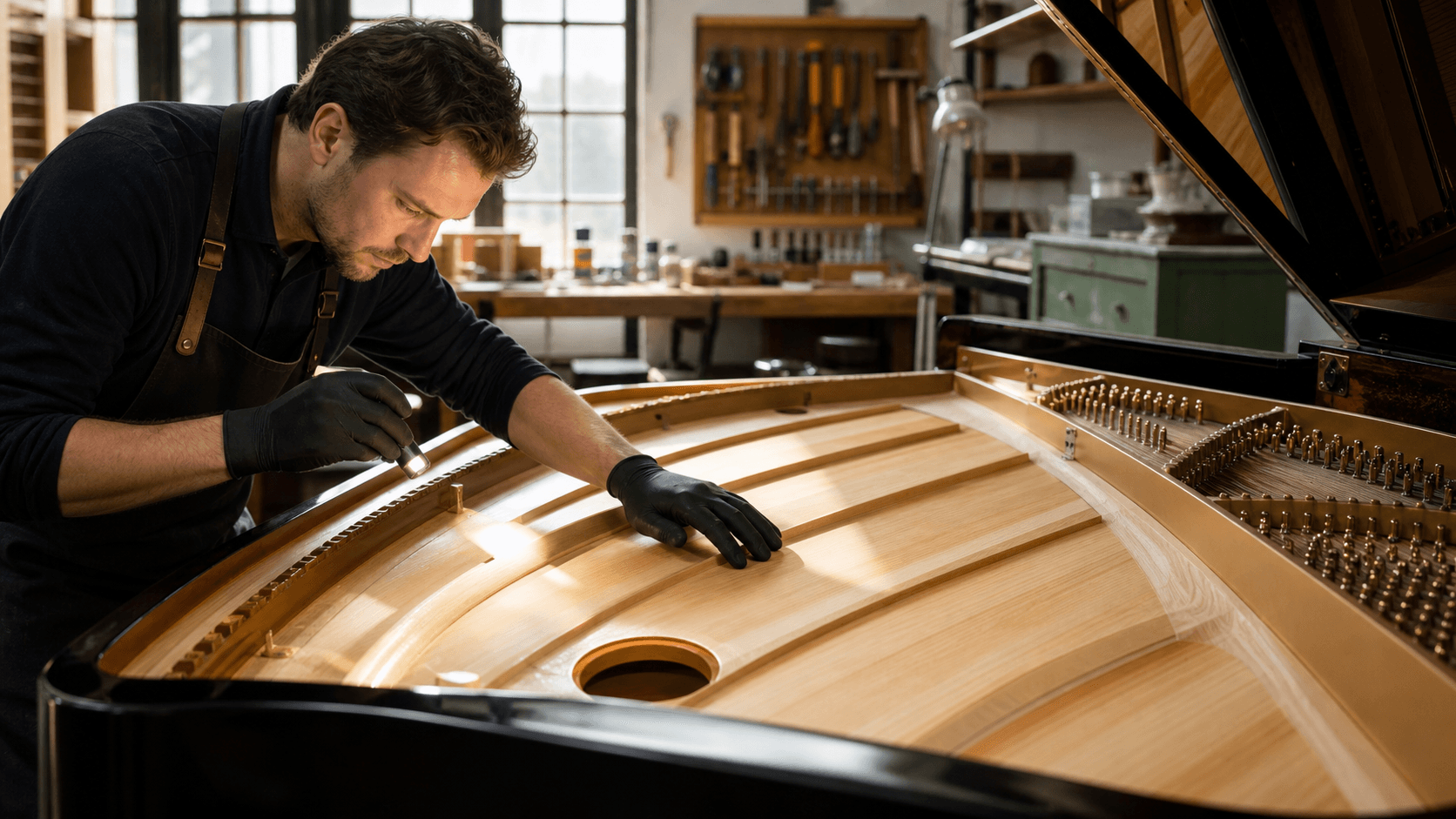
Many fine grands and uprights, including well-known brands like Steinway, Yamaha, Kawai, and other quality makes, are built to last a very long time. The structure, like the plate, soundboard, and cabinet, can be in solid shape, while the action parts inside are tired from years of use.
In that case, replacing the entire piano is usually not the best first option. A professional action rebuild lets us keep what is special about the instrument while renewing the parts that actually move. We keep the original case and structure, then install new, high-quality action parts chosen to work well with that specific piano.
Done well, this kind of work:
- Keeps the look and character you love
- Gives you a smoother, more even touch
- Makes dynamic control more predictable
- Extends the musical life of the instrument
For owners thinking about resale, a documented professional piano action rebuild in Yorktown Heights can also support value. Buyers feel more confident when they know a respected local shop has rebuilt the action and set it up for reliable use. In some situations, that can make rebuilding a stronger financial choice than trading the piano for a lower-value new instrument.
When Buying a Different Piano Is the Better Investment
There are also clear cases where a sales-focused solution, selecting a different piano, is the smarter long-term path than rebuilding.
A move to a different instrument often makes sense when:
- The piano's structure (soundboard, pinblock, bridges, case) is failing
- The instrument was an inexpensive or low-build-quality model to begin with
- Your musical goals have grown well beyond what the current piano can reasonably deliver
- The cost of the needed rebuilding work approaches or exceeds the value of a better-quality replacement
In these situations, exploring the showroom can be more productive than putting major money into a piano that will still have built-in limits. Trying instruments side by side gives you a clear sense of how a higher-quality grand or upright responds compared with your current piano, even if that current piano were to be rebuilt.
Because we offer both a restoration shop and a sales showroom in one place, we can compare these options directly: what a rebuild would cost and deliver on your existing instrument, versus what is available in comparable new or pre-owned pianos. That way, the sales vs. rebuild decision is based on clear numbers and real instruments, not guesswork.
Ideal Times to Plan a Rebuild or Replacement
Whether you choose to rebuild or to purchase a different piano, planning ahead makes the transition smoother. It is not something you want to start right before a recital or an important audition.
For many players and families in Westchester County, late summer and early fall can be a smart time to move forward. The humidity begins to settle down, school and teaching schedules are being set, and it is easier to arrange time to be without the existing piano while a rebuilt action is being completed or while a new instrument is being delivered and prepared.
Good triggers to think seriously about rebuilding or upgrading include:
- A serious student preparing for conservatory or auditions
- A returning adult player who plans to practice regularly again
- A teacher expanding a studio and needing a dependable main instrument
- A school, church, or community center planning to grow a music program
At these turning points, investing in either a high-quality rebuild or a thoughtfully selected piano from the showroom can support years of progress, instead of fighting constant small repairs.
How a Professional Action Rebuild Differs From Basic Repairs
On the surface, replacing a few worn hammers or springs might sound similar to a rebuild, but the approach is very different. Basic repairs are piecemeal. They can be helpful when the rest of the action is in decent shape, but they do not address the system as a whole.
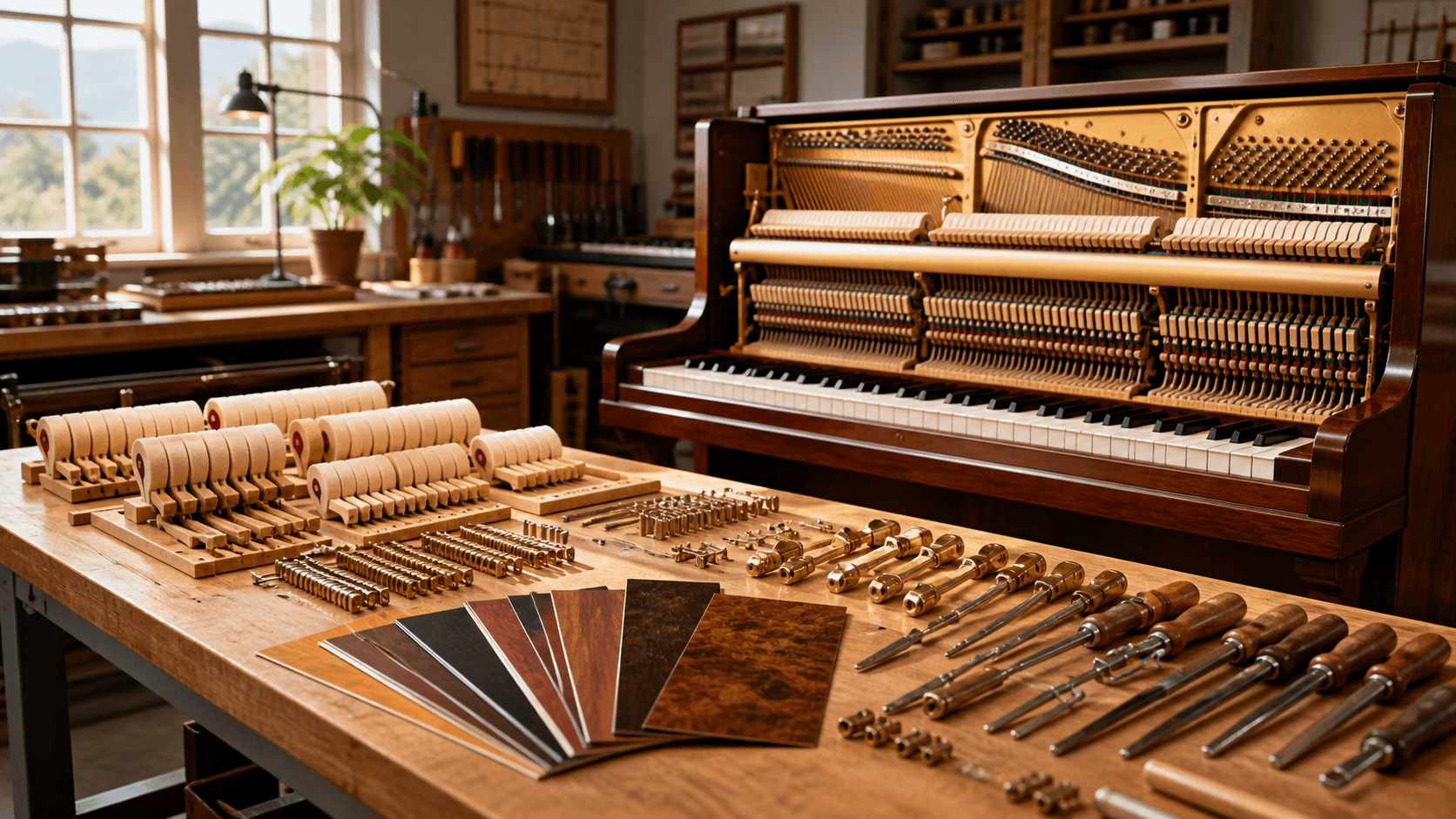
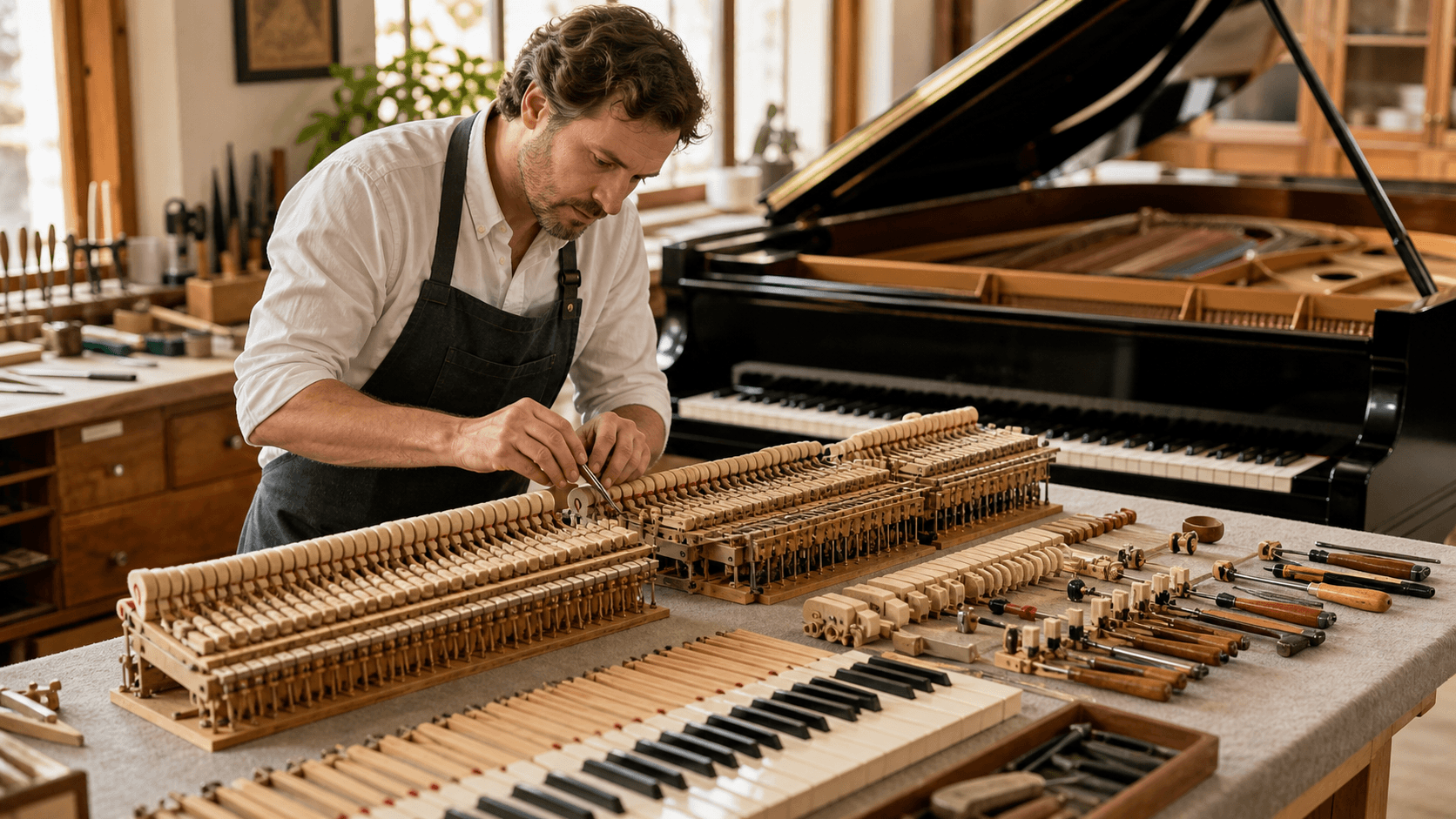
A planned action rebuild, on the other hand, treats the action as one complete unit. In our restoration facility, a typical action rebuild often includes:
- Careful evaluation and measurements of the existing action
- Replacement of worn hammers, shanks, flanges, and related parts
- New repetition assemblies and felts where needed
- Key work such as new bushings and leveling
- Full regulation so each key responds the same way
- Fine adjustments to match touch and tone to the player's needs
Having an in-house restoration facility for a piano action rebuild in Yorktown Heights gives us more control over each step. We can test the rebuilt action outside the piano, make changes, and refine details before it goes back into the instrument. This leads to a smoother result and fewer surprises later.
For some owners, reviewing this scope of work alongside the price of quality new or pre-owned pianos in the showroom helps clarify which investment aligns better with their budget and expectations.
Situations Where an Action Rebuild Outperforms Buying New
Rebuilding often makes the most sense when:
- You own a well-built older grand or upright with good structural "bones"
- The piano has strong family meaning and you want to keep it
- An institutional piano already fits the room and you like its basic voice
Older American and European pianos were often built with very strong materials. With a modern action rebuild, these instruments can rival, and sometimes exceed, the feel and musical response of many newer pianos in the same class. In these cases, rebuilding protects both musical quality and value.
Situations Where Upgrading Through the Showroom Is Wiser
There are also situations where stepping into a higher-grade instrument through a sales process will serve you better than rebuilding:
- Your current piano is holding back advanced repertoire or professional work
- You want specific features (size, tonal profile, practice systems) that your current piano cannot reasonably provide, even after rebuilding
- A pre-owned or new instrument in the showroom delivers substantially better performance for a similar overall investment
Because sales and rebuilding are both available under one roof, it is possible to look at both paths without pressure. You can:
- Have your existing piano evaluated for rebuild potential and costs
- Play rebuilt instruments to feel what a completed action rebuild is like
- Compare those to comparable pianos in the showroom
This side-by-side process helps ensure your investment, whether in a rebuild or a purchase, goes toward the option that will serve you best over the long term.
Take the Next Step Toward a Responsive, Reliable Piano
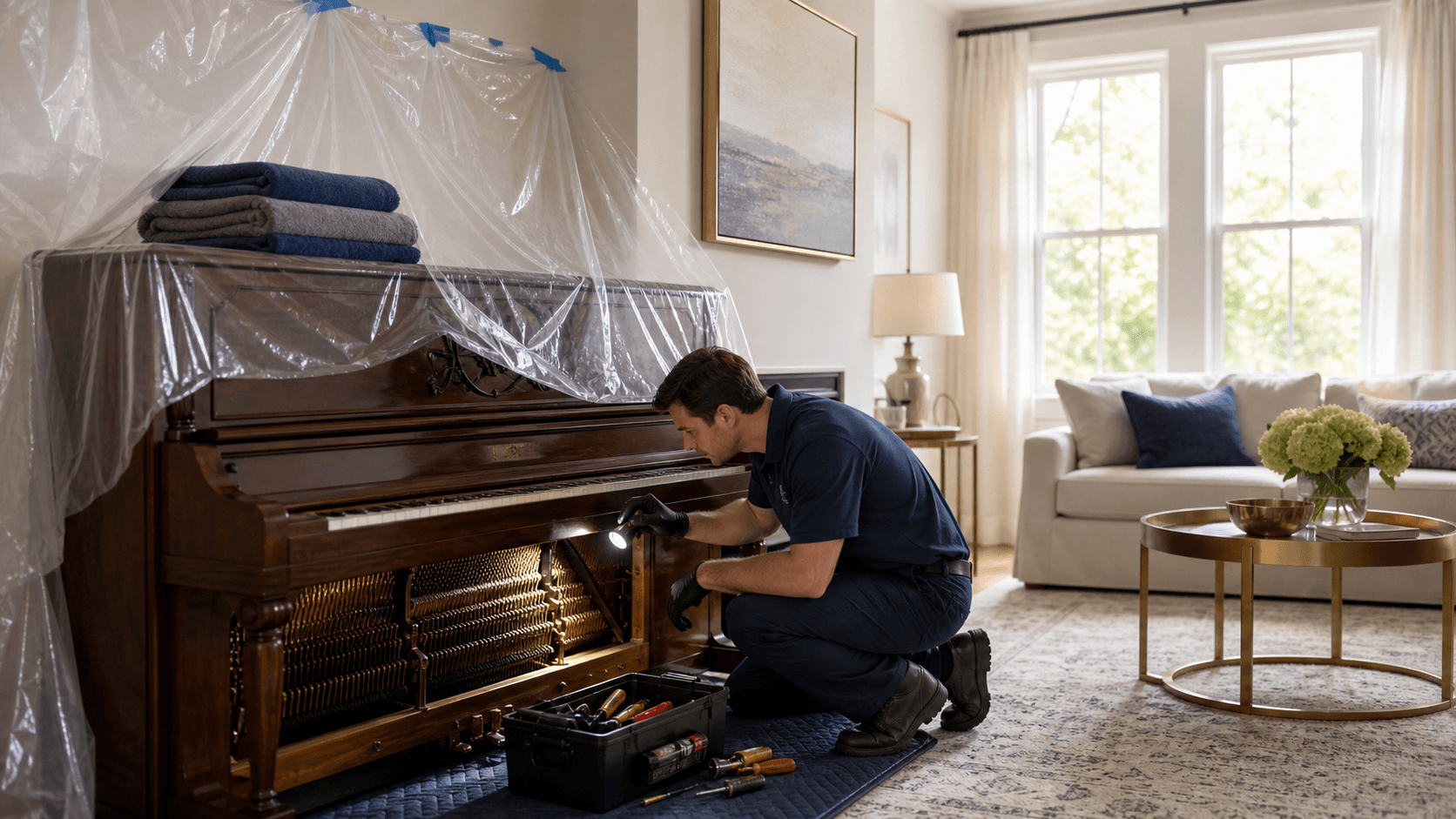
If you recognize your piano in any of these descriptions, the next smart step is a professional evaluation that looks at both sides of the decision. A trained technician will assess how the action parts move, check wear on felts and wood, test repetition and key weight, and listen closely to how the piano responds across the keyboard. From there, you can see clearly whether small adjustments, partial rebuilding, a full action rebuild, or selecting a different piano is the best route.
When a rebuild is the right fit, the results can be striking. Players often notice more even touch, clearer tone, better control at both soft and loud levels, and a piano that once again supports real musical growth.
When a change of instrument is the better answer, working with a showroom that also understands rebuilding means you get grounded, technical guidance on which pianos will truly be an upgrade over what you have now.
For home players, teachers, and institutions in and around Yorktown Heights, weighing both sales and rebuilding together is often the key step that turns a frustrating instrument problem into a long-term, reliable solution for daily music-making.
Get Started With Your Project Today
If your piano no longer responds the way it should, we are ready to help you bring it back to its best. Explore our specialized piano action rebuild in Yorktown Heights services to restore precision, control, and musical expression. At Ford Piano, we carefully evaluate your instrument and guide you through the best options for your goals and budget. Have questions or want to schedule a consultation? Simply contact us and we will follow up promptly.