Keep Your Piano in Tune with Westchester's Seasons
A piano can sound full, warm, and beautiful in April, then feel a little off by July, even if no one changed a thing. In Westchester County, our weather moves from damp spring to hot, sticky summer, then to dry winter heat. Your piano feels all of it.
The wood, felt, and metal inside every piano react to temperature and humidity changes. When the weather swings, the instrument moves, and your tuning moves with it. Seasonal piano tuning in Westchester is less about fixing a problem and more about protecting tone, touch, and long-term value.
We work on instruments from the river towns up through northern Westchester and into the greater New York area, and we see the same patterns every year. In this article, we will explain how weather affects your piano, the seasonal issues you are most likely to notice first, and a practical tuning schedule for homes, schools, and houses of worship in our climate.
How Temperature and Humidity Change Your Piano's Voice
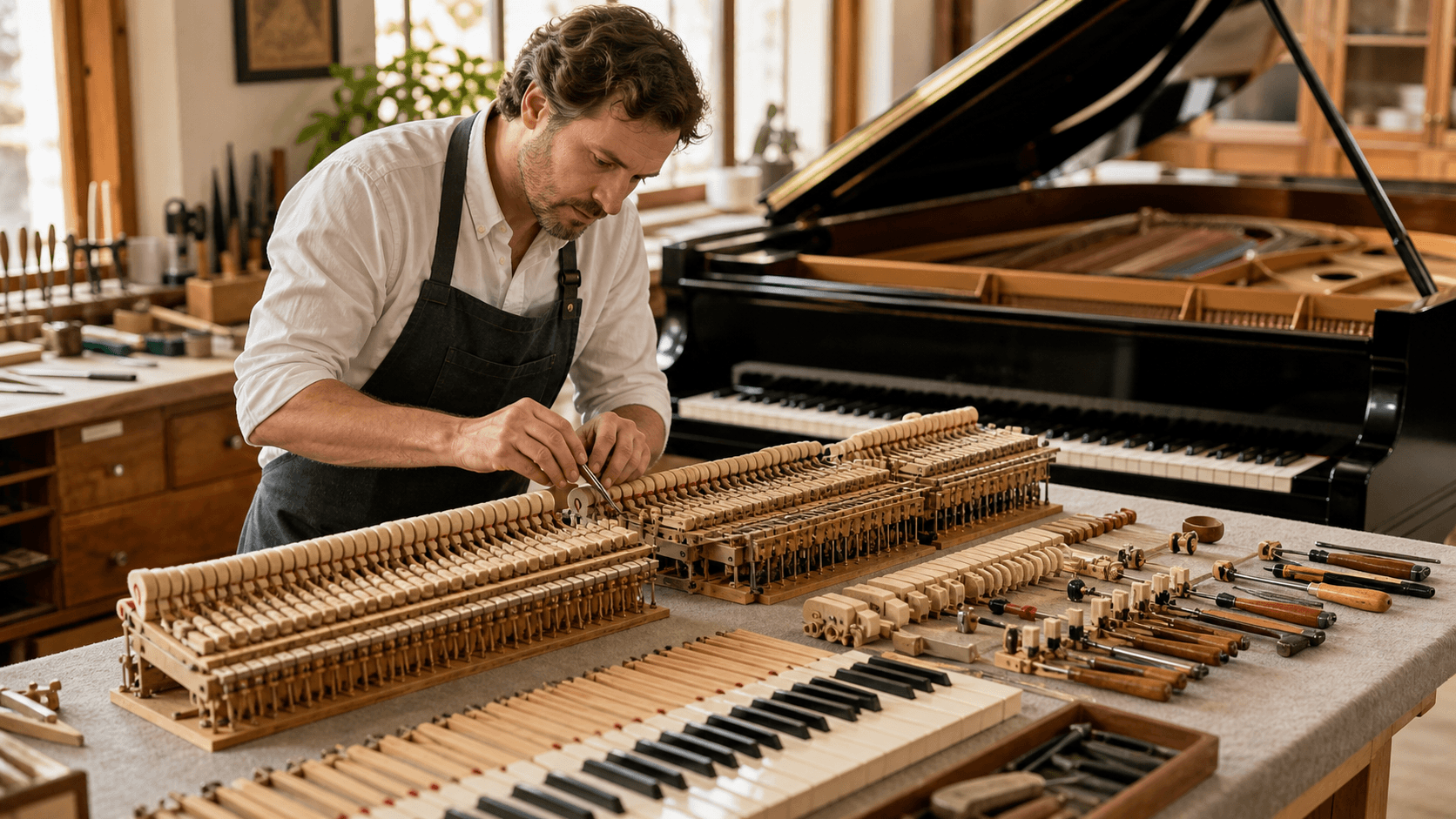
Inside your piano, the most important parts are made of wood. The soundboard, bridges, and pinblock all respond to moisture in the air. When humidity rises, these wooden parts swell. When the air gets dry, they shrink. Every small change affects string tension and tuning.
In a Westchester summer, the air often feels thick and humid. As humidity climbs:
- The soundboard swells and rises
- String tension goes up
- The pitch of the piano tends to go sharp
- The tone can feel bright or edgy
Then winter arrives, and home heating dries out the air inside:
- The soundboard shrinks and settles down
- String tension drops
- Notes drift flat across the keyboard
- The overall sound can feel thin or brittle
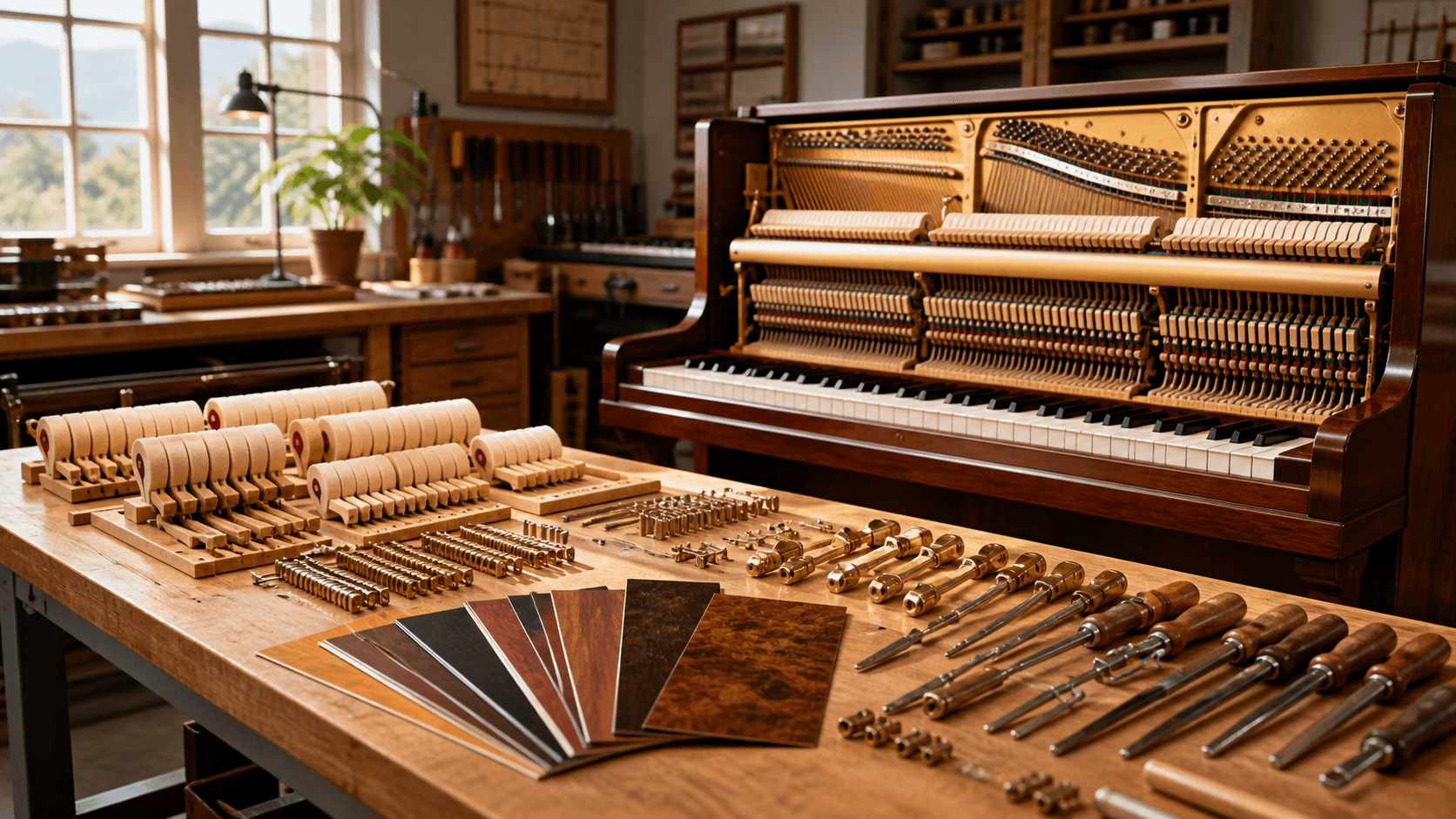
Felt parts, like hammers, dampers, and key bushings, also respond to moisture. In very humid weather, felt can puff up slightly, which may cause:
- Sticking or slow keys
- Notes that ring longer than they should
- Pedals that feel noisy or uneven
As all of this happens, you do not just hear one wrong note. You hear:
- Chords that sound sour or "wobbly"
- Octaves that no longer match
- A touch that feels different from day to day
This is why pianos in our area rarely stay in tune all year on a single service visit. The instrument is always breathing with the weather.
Seasonal Piano Problems Westchester Players Notice First
In many Westchester homes, summer issues show up first. The piano may still sound powerful, but not in a good way. You might notice:
- A tone that feels too bright or harsh
- Certain notes sounding sharper than their neighbors
- Keys that feel a little heavy or slow, especially on damp days
Winter brings a different set of complaints. Once the heat has been on for a while, players often report:
- A thin, brittle, or "tinny" tone
- Notes drifting flat across the keyboard
- Small buzzing or rattling sounds as wood parts contract
- Keys or action parts that feel loose or a bit noisy
Spring and fall can be tricky too. When the weather flips from warm to cold or dry to damp in just a day or two, the piano can sit in a kind of in-between state. Many players describe this as "wobbly tuning," where:
- The piano sounds almost right but never quite settles
- Some chords sound fine while others bother your ear
- The pitch seems different from one week to the next
Institutions like schools, teaching studios, and churches tend to spot these problems early. Their pianos are played every day, often by many different musicians, so even small tuning shifts or action changes get noticed quickly.
The key is not to wait until the instrument feels bad to play. Regular, seasonal piano tuning in Westchester keeps these issues manageable, so they do not build into larger mechanical problems or expensive repairs later.
Your Ideal Tuning Schedule for Westchester's Climate
In our climate, most home pianos do best with at least two tunings per year. A simple way to remember this is:
- One tuning in late spring or early summer, after the heat is off and indoor humidity rises
- One tuning in late fall or early winter, after the heat comes on and the air dries out
For pianos that see heavier use, like:
- Teachers' instruments
- Performance and recording pianos
- School, studio, or house of worship instruments
We usually recommend three to four tunings per year. This helps keep pitch stable for lessons, rehearsals, and services, and prevents big swings that are harder to correct later.
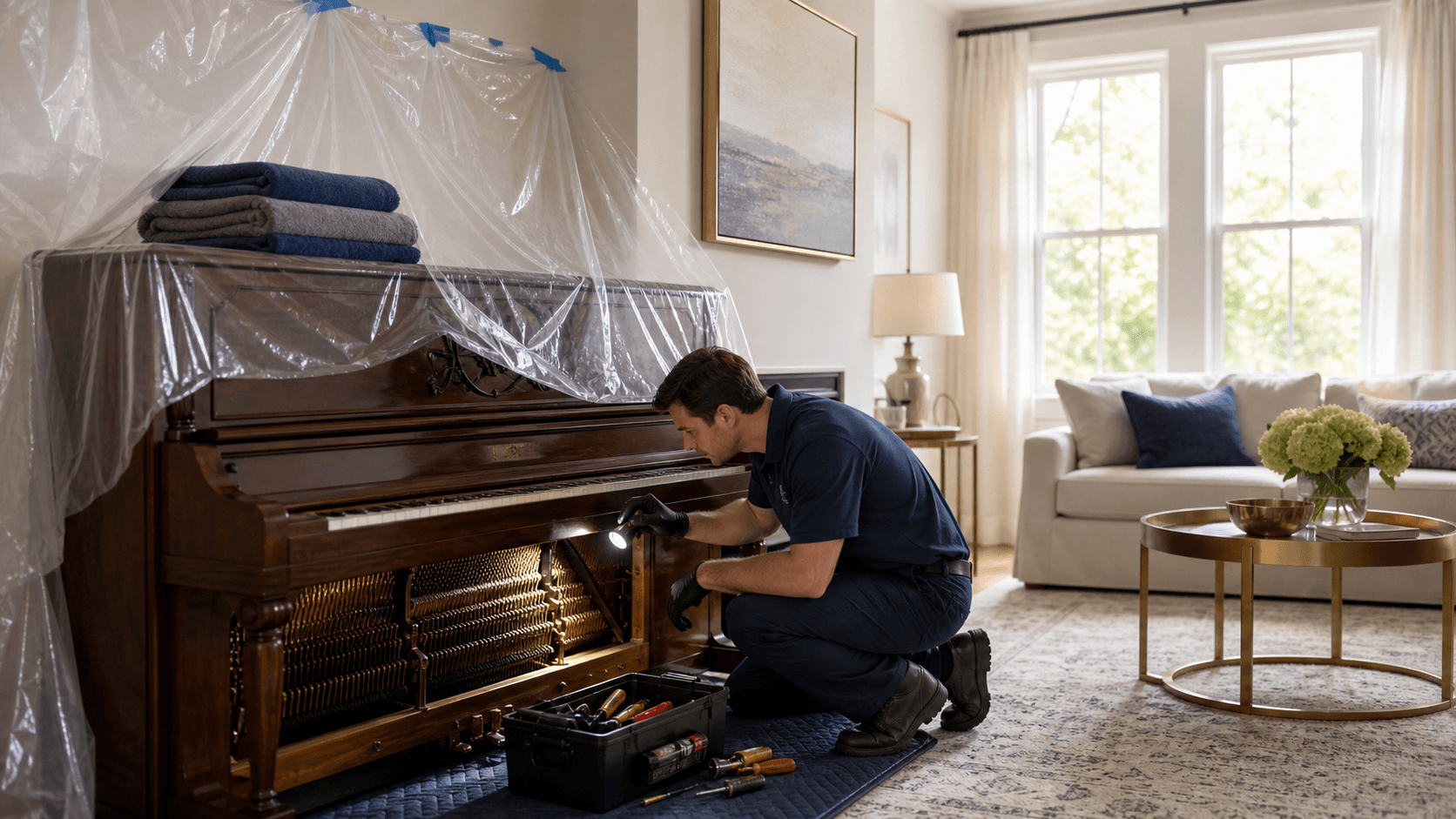
Every home and building is different. Some spaces have central air, others use window units. Some rooms get direct sun, others stay cool and shaded. Proximity to the Hudson River or Long Island Sound can also affect how quickly humidity changes. A technician who knows your space can:
- Suggest the best months for your specific situation
- Watch how your piano responds over time
- Catch humidity-related issues early, like loose tuning pins, small cracks, or early regulation problems
Setting up a regular maintenance plan often means more stable tuning from year to year and better protection for the value of your instrument, especially if it is historic or an heirloom.
Simple Climate Control Habits That Protect Your Sound
You do not have to turn your home into a climate lab to care for your piano. A few simple habits go a long way. Start with placement. Try to keep the piano:
- Away from direct sun
- Away from radiators, baseboard heat, or fireplaces
- Away from exterior doors and often-opened windows
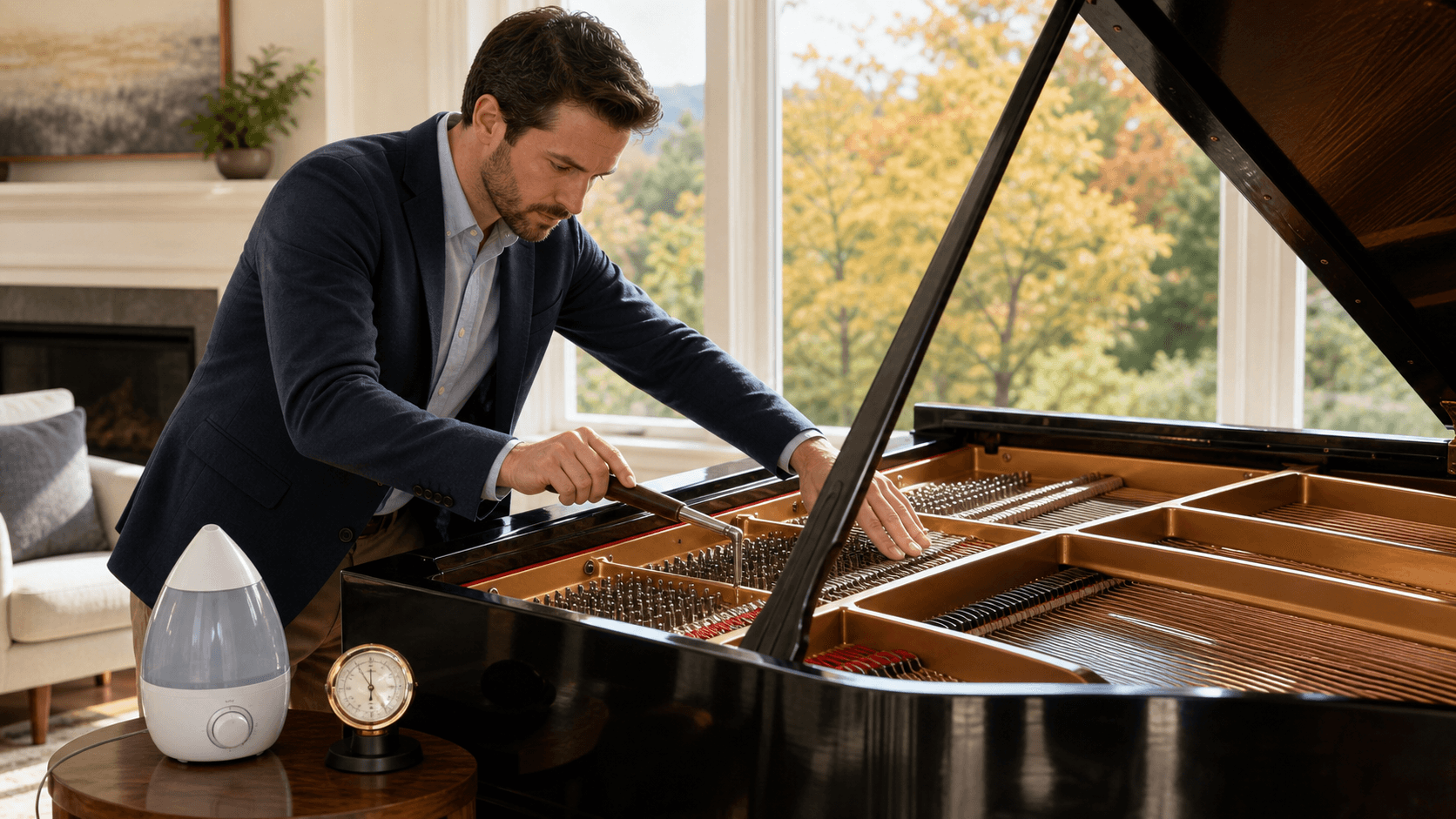
Adding a small digital hygrometer near the piano helps you keep an eye on relative humidity. A comfortable target range is usually around 40 to 50 percent. In our area, that often means:
- Using a room humidifier when winter air is very dry
- Using a dehumidifier in a damp basement or very humid room in summer
For some spaces, especially where a piano is used often or has high value, a built-in piano humidity control system may be worth considering. This type of system helps to even out the swings right where they matter most, around the soundboard and internal structure.
Try to keep temperature and humidity changes gentle and gradual. Big overnight swings put extra stress on the soundboard and action. Climate control does not replace seasonal tunings, but it works together with them so:
- Tunings last longer
- The piano stays more stable
- Long-term repair needs are often reduced
Keep Your Piano Performance-Ready All Year
Westchester's weather is hard on pianos, but it does not have to be hard on your music. With a regular tuning schedule and a little climate awareness, your instrument can stay singing clearly through spring rains, summer humidity, and winter heat.
If you notice chords that sound off, notes that do not match, changes in touch, or you realize it has been more than six months since your last service, those are good signs it is time to plan your next tuning. As a family-owned piano sales, service, restoration, and moving company in Yorktown Heights, we understand how local weather patterns affect the instruments in our care, from family living rooms to large institutions across Westchester County and the greater New York area.
Keep Your Piano Performance-Ready With Expert Care
Your piano deserves precise, professional attention so it can sound its best every time you play. Schedule trusted piano tuning in Westchester with Ford Piano and let our technicians restore clear, balanced tone to your instrument. If you are ready to book a visit or have questions about your piano's specific needs, simply contact us today.