Turn a "Found" Piano Into a Forever Instrument
Finding a used grand piano in Westchester that feels like a hidden gem is exciting. Maybe you spot one at a local estate sale, a school auction, or listed by a nearby church. The right piano can become a lifetime instrument, something you or your family play for decades. The wrong one can turn into a money pit that never quite feels or sounds right.
Fall is often a busy time for used grands to surface. Schools sort through old instruments, arts groups rethink their spaces, and families handle estates after summer moves. That means more chances to find something special, but also more chances to get stuck with a tired, worn-out piano that is not worth fixing.
Our goal is to help you tell the difference and then connect you with the best long-term solution. In many cases, the safest path is a professionally rebuilt or carefully prepared grand from a trusted showroom. In others, a particular instrument you have found may be a strong candidate for a full rebuild in the shop.
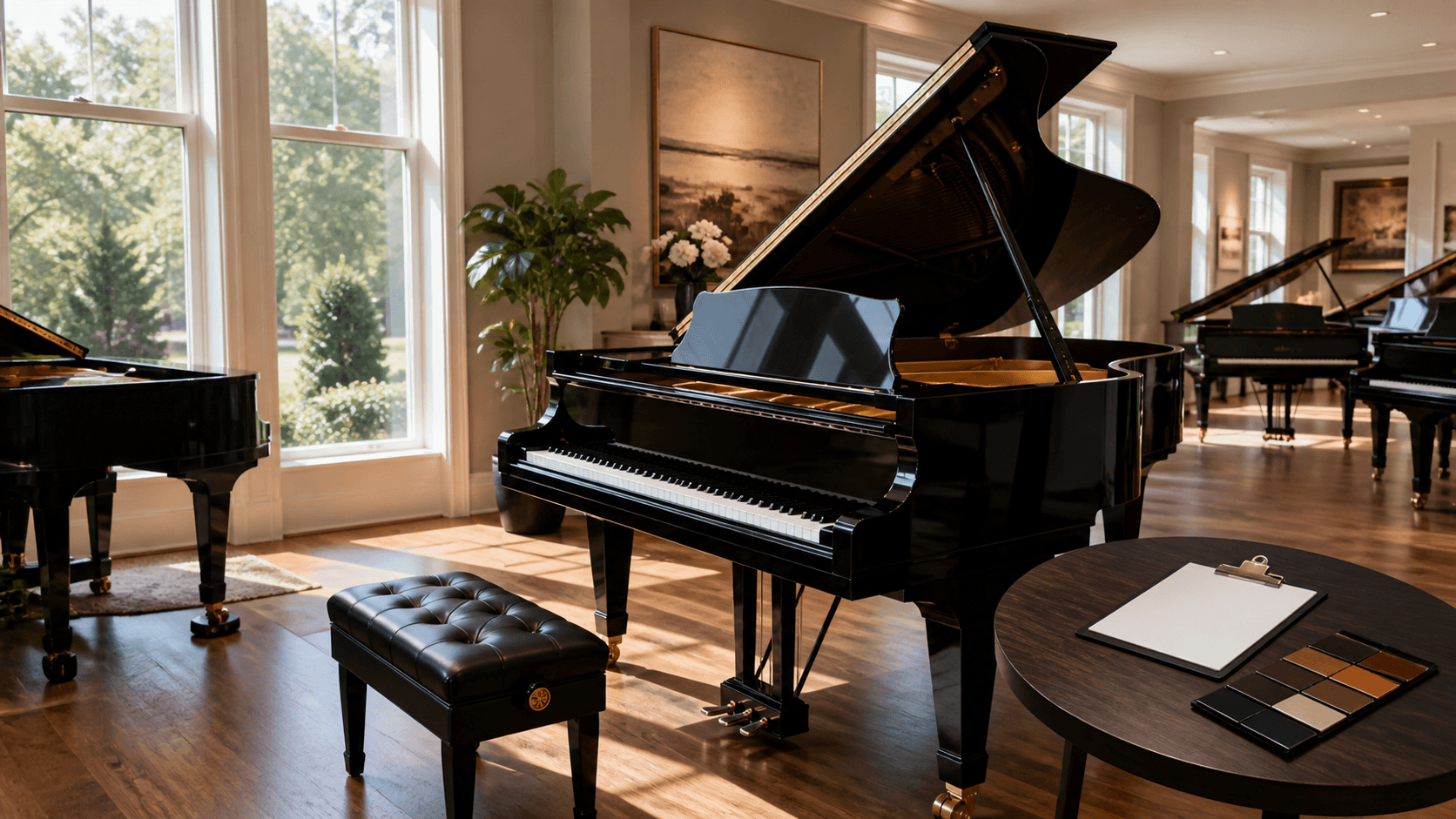
As a local showroom and workshop in Yorktown Heights, we see both the treasures and the troublemakers. The right rebuild turns a worthy core instrument into a responsive, reliable grand. Our curated inventory lets you skip the guesswork entirely. Both options start with choosing the right core instrument and the right rebuilder to stand behind it.
What Makes a Used Grand Piano Truly Rebuild-Worthy
Not every old grand is worth rebuilding. Age alone does not make a piano special. What matters is the strength of its structure and the quality of its original design. A rebuild-worthy piano should have:
- A solid rim that is not separating or badly warped
- A soundboard that, even if aged, still has crown and is not full of major open cracks
- A plate that is intact and not showing signs of stress or damage
- A pinblock that can still hold tuning pins firmly
Many older American and European grands were built to a very high standard. These often make strong rebuilding candidates when their basic structure is sound. On the other hand, some lower-tier brands or heavily compromised instruments are a poor investment even if they are being given away.
Because that structural assessment is difficult for most buyers to make on their own, many people choose to start with a rebuilt or fully prepared grand from a professional shop. In that setting, the heavy structural decisions have already been made, documented, and warranted.
When we evaluate a piano for rebuilding, whether it is a trade-in, an estate instrument, or part of our own inventory, we look for:
- Visible cracks in the soundboard, bridges, and plate
- Rusty or heavily corroded strings and hardware
- Loose tuning pins and a failing pinblock
- Deep action wear, broken parts, and sloppy past repairs
Sometimes a piano feels uneven to play, or the tone is harsh or dull. That alone does not rule it out. If the core structure is strong, comprehensive rebuilding can transform the action and sound. The real danger is the hidden structural failure that cannot be corrected practically. A short pre-purchase evaluation by a qualified shop can save you from that surprise, or you can avoid that risk entirely by starting with a rebuilt grand whose condition is already fully known.
Estate, Private, and Institutional Pianos: When to Consider Rebuilding
Estate sales in Westchester can be rich ground for a used grand. Often you will find instruments that have lived in one home for many years with relatively stable conditions. These pianos are more likely to be quality brands that were carefully chosen, even if they have not been serviced recently.
When you scan listings, watch for small clues:
Green flags:
- Mentions of regular tuning or a long-time technician
- Clear purchase dates or "bought new from..." details
- A matching bench and a clean, uncluttered setting in photos
Red flags:
- Vague statements like "hasn't been played in years" with no other detail
- Visible water damage on legs, lyre, or baseboards
- A grand stuffed into a damp basement or near obvious leaks
Before you make an offer, ask the family or seller if they have:
- Tuning and service records
- Original sales receipts or dealer paperwork
- Any invoices for prior rebuilding, refinishing, or major repair
Institutional grands from schools, churches, and theaters are a different story. Many were high-quality instruments designed for performance use, but they tend to see heavy playing, uneven climate, and maintenance based on limited budgets.
You can often spot hard institutional use right away:
- Very deep wear in the key bushings, keys that rattle side to side
- Hammers with deep grooves and flat striking surfaces
- Strings that are heavily notched or discolored
- Mismatched replacement parts in the action
- A finish that is faded, chipped, or scarred from frequent moves
Many institutional grands are not simple "tune and play" candidates. They are often exactly right for full rebuilding. Their original scale design and rim construction can reward a full workshop treatment, as long as the structure checks out.
If you are looking at an estate or institutional piano and are unsure about its potential, this is the point where a rebuilding shop adds the most value: by telling you whether that specific instrument is worth a major investment, or whether you would be better served by selecting a rebuilt piano that is already complete and ready in the showroom.
Dealer Trade-Ins, Provenance, and Curated Rebuilt Pianos
Trade-ins and consignments that come through dealers can be a safer way to find a used grand piano in Westchester, especially when the dealer also operates a full rebuilding workshop. These pianos often come from customers upgrading, institutions downsizing, or families handling inherited instruments.
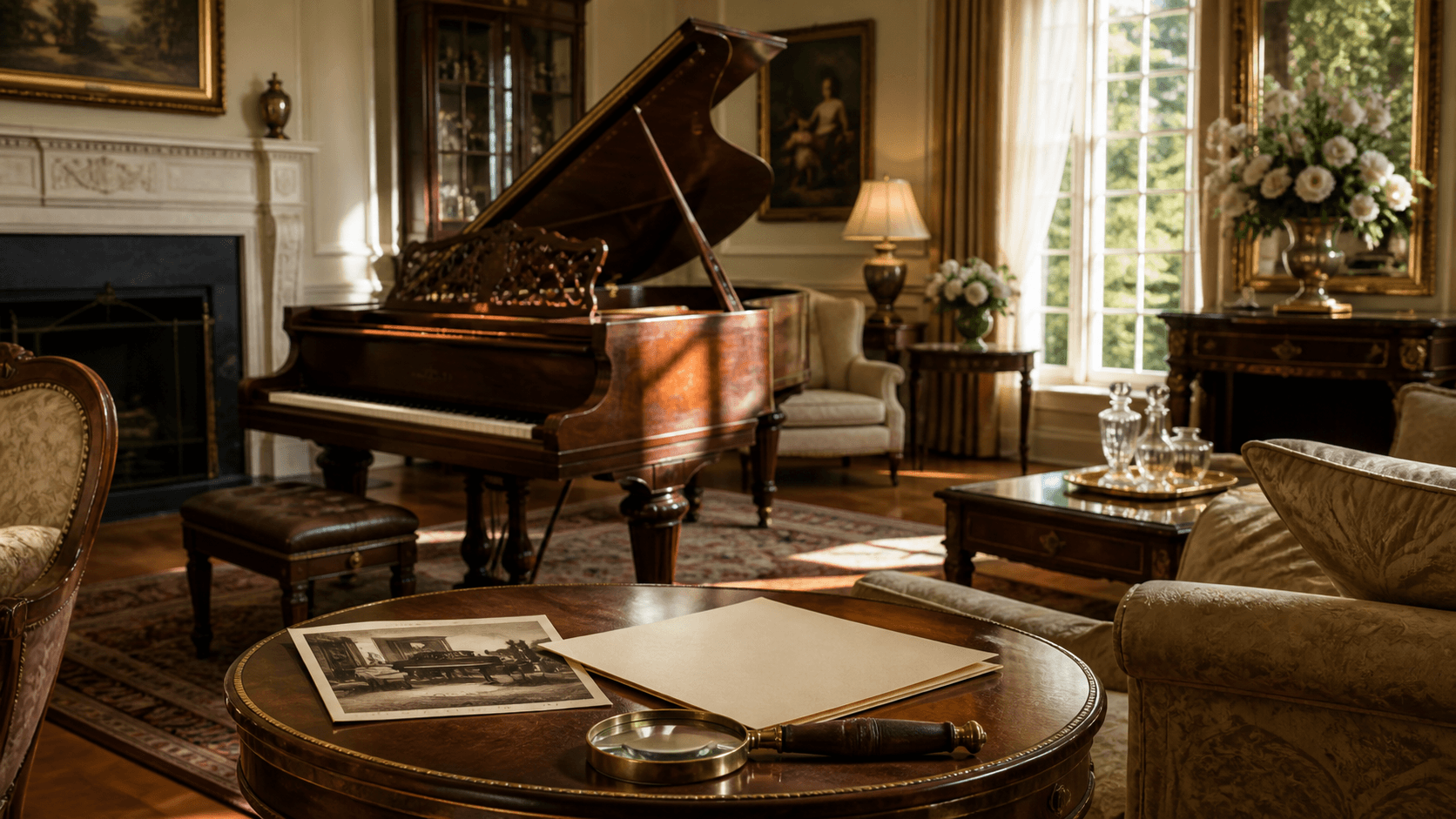
Provenance simply means the story of the piano backed by documents. For a used grand, that usually includes:
- Original sales receipts or dealer paperwork
- Records of any rebuilding, refinishing, or major repair
- Tuning logs or technician notes over the years
- Clear dates and names that match the serial number and manufacturer records
When you look at a piano in any setting, use a simple provenance checklist:
- Confirm the serial number on the plate matches any paperwork
- Check that dates line up with what the maker's records show for that model
- Look inside for technician signatures, tags, or shop decals
- If the piano is advertised as "rebuilt," ask who did the work and what was done
A full-service workshop will not just accept any trade-in. A careful shop will inspect each piano, document its condition, and stand behind the story it is telling you. That is one of the key advantages of buying a rebuilt or fully prepared piano from a reputable dealer: the structural decisions, the scope of work, and the long-term expectations are all clear before you buy.
In our own showroom, for example, every rebuilt and fully prepared grand is evaluated and documented in the workshop. That gives you the option of choosing an instrument whose rebuilding is already complete, rather than taking on the uncertainty of an unknown piano from a private sale.
Partnering with a Rebuilding Shop: Selecting and Rebuilding Your Piano
One of the best ways to protect yourself, and to end up with an instrument you will enjoy for decades, is to bring a professional rebuilder into the process early.
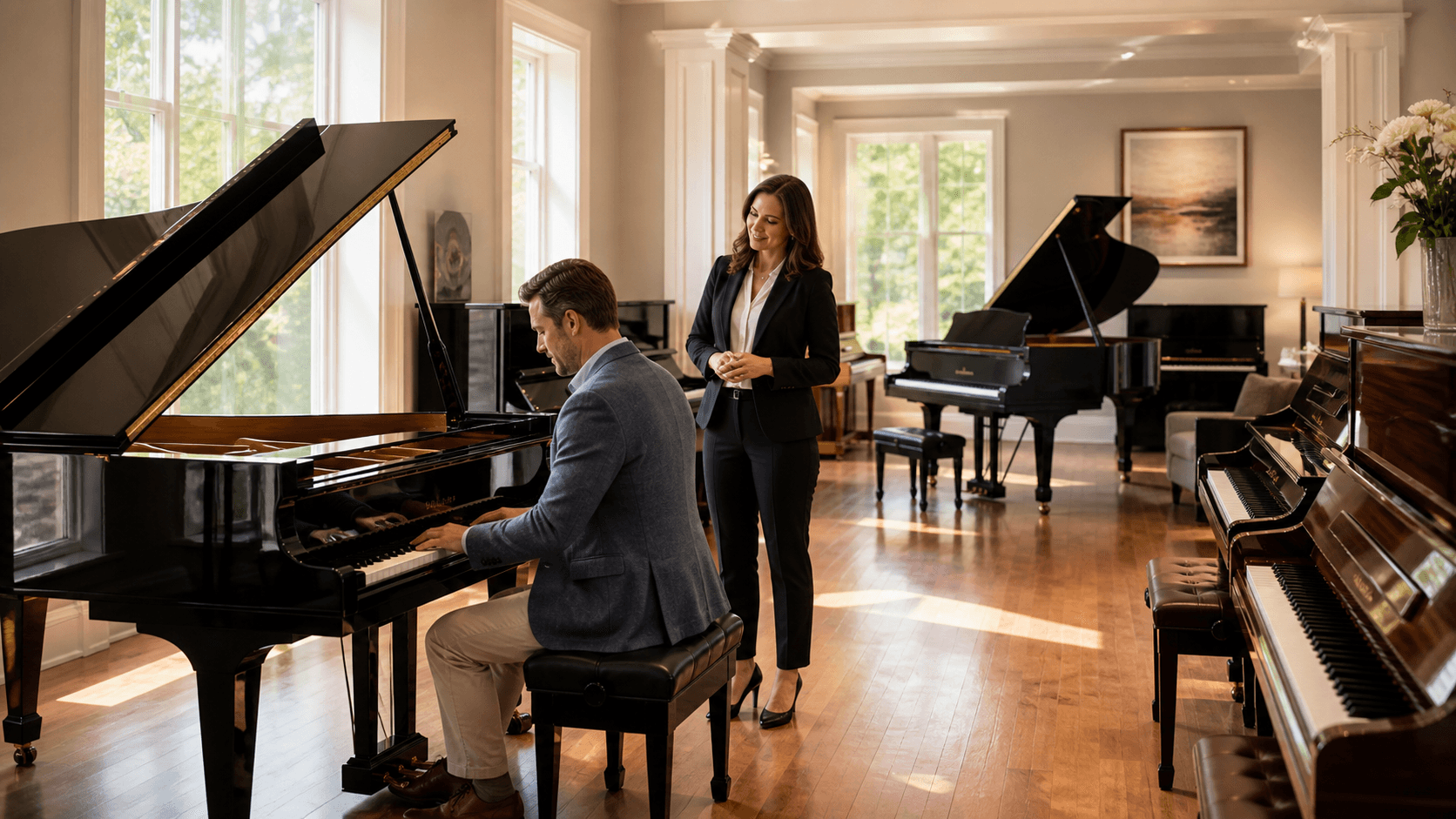
At Ford Piano, our Yorktown Heights showroom and workshop focus on grand piano sales, rebuilding, refinishing, and repair for Westchester County and the greater New York area. There are two main paths clients take:
- Selecting a rebuilt or fully prepared grand from our curated showroom inventory, where the structural condition and musical results are already proven.
- Bringing us a promising instrument they have found, so we can evaluate its potential and, when appropriate, design a comprehensive rebuilding plan around it.
We can look at photos and listings you are considering, point out early warning signs, and, when a piano looks promising, perform a full on-site evaluation with a written condition report. From there, we compare what it would take to turn that tired but worthy instrument into a responsive, beautiful grand with what is already available in our rebuilt inventory.
Whether you ultimately choose a piano in our showroom or decide to rebuild a specific instrument you have found, the key is the same: start with the right core piano, then let careful, documented rebuilding bring it back to life. With the right guidance early on, your "found" grand, or the rebuilt grand you select from a trusted shop, can truly become a forever piano.
Find Your Ideal Grand Piano With Expert Local Guidance
If you are searching for a used grand piano in Westchester, we are ready to help you compare options that fit your space, budget, and playing style. At Ford Piano, our team will walk you through tone, touch, and condition so you can buy with confidence. Reach out to contact us and schedule a personalized visit to explore instruments in person. Let us help you choose a piano that will perform beautifully for years to come.